Edgenuity is a K-12 online learning platform used by millions of U.S. students for credit recovery, summer school, and full-time online coursework. If you have been assigned Edgenuity classes, here is everything you need to know about how it works, what it costs, and how it compares to similar platforms.
What Is Edgenuity?
Edgenuity is a web-based learning management system (LMS) built for grades 6 through 12. School districts use it to deliver online courses when students cannot attend in-person — most commonly for credit recovery (retaking a failed course), summer school, and full-time online enrollment. The platform hosts courses across core subjects including math, science, English, social studies, and foreign languages, all built around recorded video lessons and auto-graded assessments.
Edgenuity is owned by Imagine Learning, which acquired the company in 2021 and rebranded it as "Imagine Edgenuity." Most students still call it Edgenuity regardless of branding.
How to Pronounce Edgenuity
Edgenuity is pronounced edge-eh-NOO-ih-tee. The name combines "edge" (as in competitive edge) with "ingenuity." Before the current branding, the platform was called E2020, which some older teachers may still reference.
Edgenuity vs Imagine Edgenuity vs EdgeEX vs Nova UI
- Classic Edgenuity: The original interface, still used by many districts. The older-style navigation and video player most students recognize.
- Imagine Edgenuity: The rebranded version after the Imagine Learning acquisition — functionally identical to classic with updated branding.
- EdgeEX: A newer, fully redesigned interface replacing classic Edgenuity in migrated districts. Faster navigation, modernized layout, updated video player. Some districts run all courses on EdgeEX; others have a mix.
- Nova UI: Another interface variant introduced alongside EdgeEX, with a different visual style. If your classes look different from standard Edgenuity but still run at an Edgenuity URL, you are likely on Nova UI.
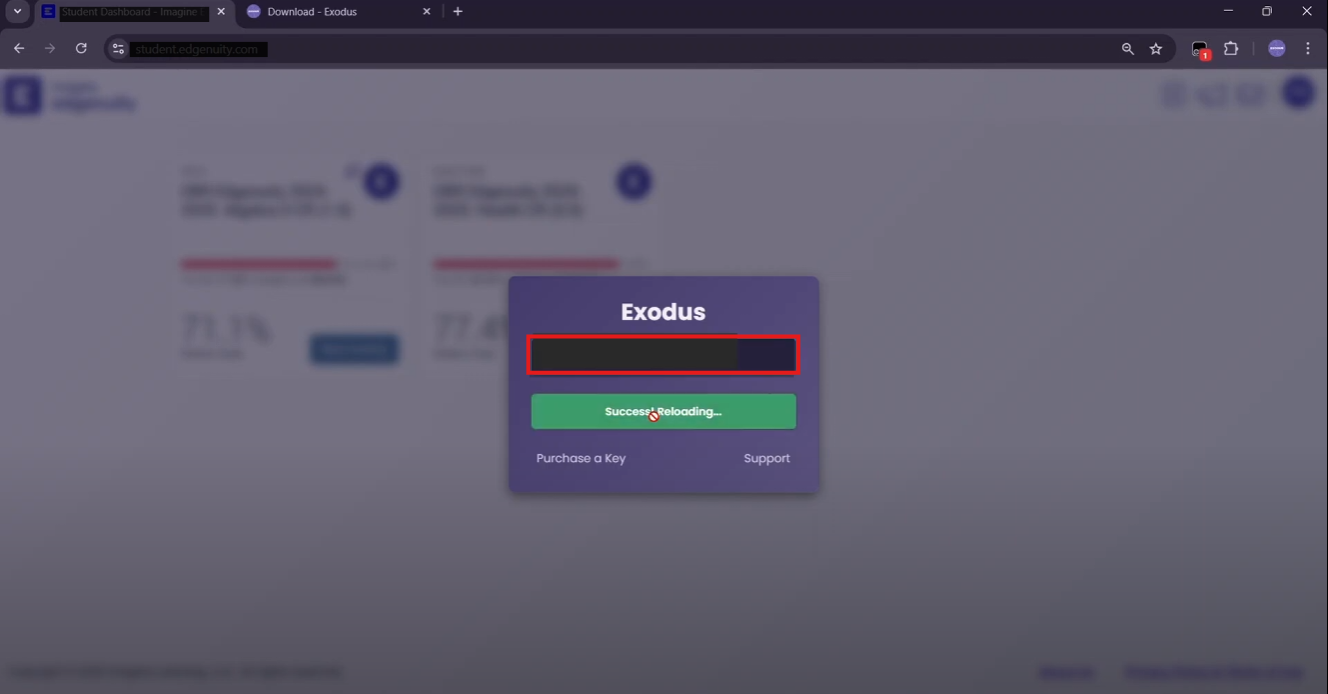
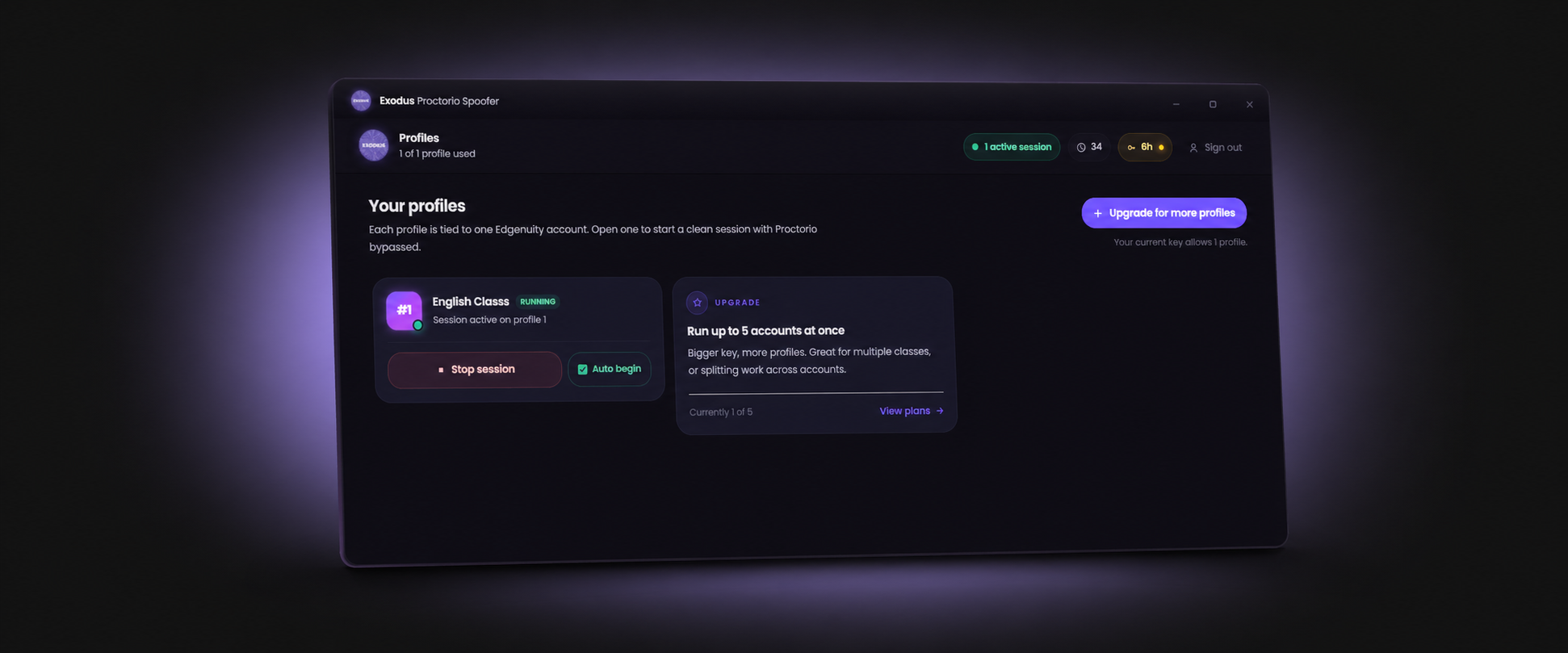
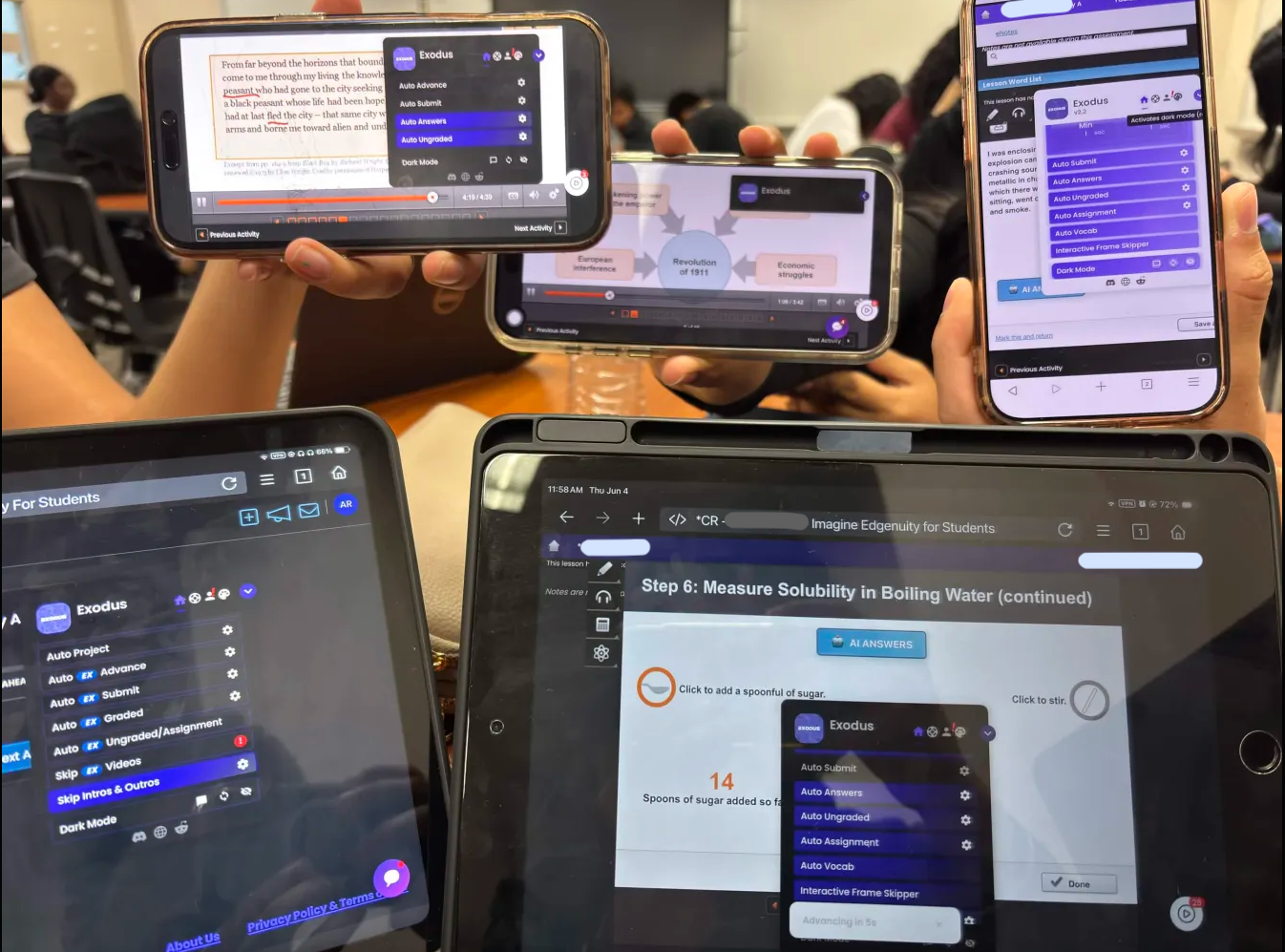
If you use an automation tool like Exodus, it supports all four versions including EdgeEX and Nova UI, which many other tools do not.
How Edgenuity Classes Are Structured
Every Edgenuity course follows the same five-step progression per unit:
- Pretest: A diagnostic quiz at the start of each unit. Score above the mastery threshold and you may skip some content in that unit.
- Video lessons: Pre-recorded instructional videos per topic. Edgenuity locks quiz access until video playback registers as complete — this is the primary reason the platform takes so long.
- Practice activities: Low-stakes exercises after each video to reinforce the material.
- Unit tests: Graded assessments at the end of each unit. These count toward your final grade.
- Cumulative exam: A comprehensive test covering all units, typically required to complete the course.
The video-lock means you cannot jump to tests without watching every lesson first. For ways to get through faster, see how to finish Edgenuity fast.
Does Edgenuity Cost Money?
- School-enrolled students: Free. Your district pays the licensing fee. You access Edgenuity through your school login.
- Homeschool families: Edgenuity offers homeschool pricing through Imagine Learning, typically $400 to $1,200 per year depending on grade level, number of courses, and plan type.
- Credit recovery: Covered by the school or district in most cases.
Is Edgenuity Actually Good?
It depends on what you need. The platform is standardized, widely accepted for academic credit, and available 24/7 without a live teacher. But most students find the experience tedious — videos are long and repetitive, quizzes are narrow, and there is no flexibility in pacing once you are locked into a unit sequence.
For credit recovery specifically, Edgenuity is usually the fastest available path and accepted by virtually all districts. For students who learn better through discussion or interactive methods, it is a poor fit. It works if your goal is to complete the credit.
Edgenuity vs Edmentum vs Odysseyware
- Edgenuity (Imagine Edgenuity): The largest platform, most widely used in U.S. public schools for credit recovery. The most consistent structure, making it the most automation-friendly.
- Edmentum: Parent company of Edgenuity. Also offers Study Island and Plato Courseware. Similar video-based content structure with a different interface.
- Odysseyware: A direct competitor used primarily in charter schools and alternative education. Very similar video-lock model, less commonly encountered.
Staring at a full semester of Edgenuity? Exodus automates quizzes, skips videos on EdgeEX, and advances through lessons so you can get your credit without spending weeks on it.
Get ExodusEdgenuity is operated by Imagine Learning, the company behind the platform and its EdgeEX and Nova interfaces. To automate the coursework it assigns, see the Edgenuity bot.
Frequently Asked Questions
What is Edgenuity?
Edgenuity is a K-12 online learning platform used by millions of U.S. students for credit recovery, summer school, and full-time online coursework. It delivers courses through recorded video lessons and auto-graded quizzes via a web browser.
How does Edgenuity work?
Students watch required video lessons, complete practice activities, and take unit tests to advance through a course. Video playback must register as complete before quiz access unlocks. Courses end with a cumulative exam covering all units.
Does Edgenuity cost money?
Not for school-enrolled students — districts pay the licensing fee. Homeschool families pay $400–$1,200 per year through Imagine Learning's homeschool plans depending on grade level and number of courses.
What is the difference between Edgenuity and EdgeEX?
EdgeEX is a newer, fully redesigned version of the Edgenuity interface with modernized navigation and an updated video player. Classic Edgenuity uses the older UI. Both run the same curriculum; EdgeEX is the updated version some districts have migrated to.